
Sol Lewitt Wall Drawing
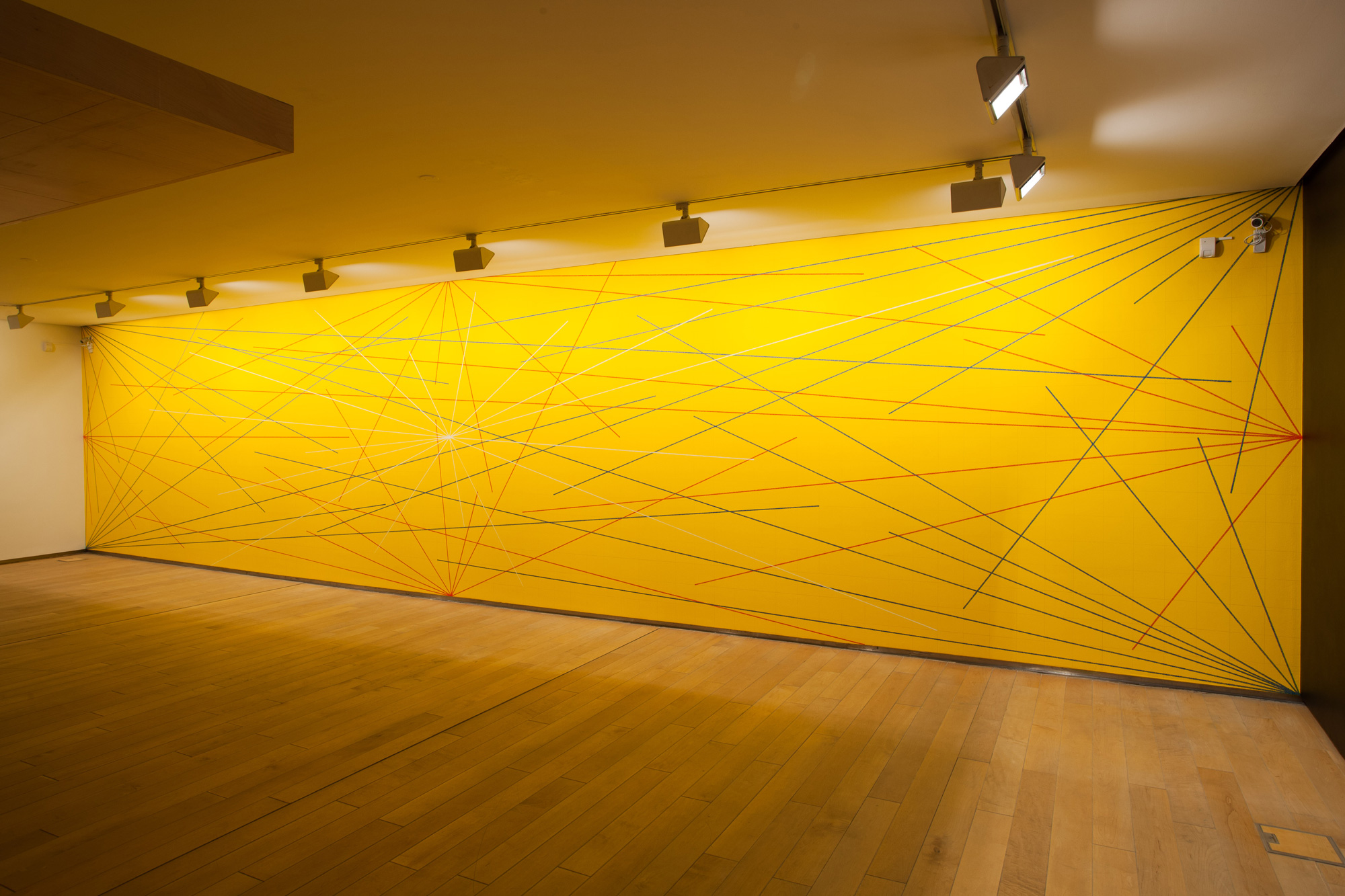
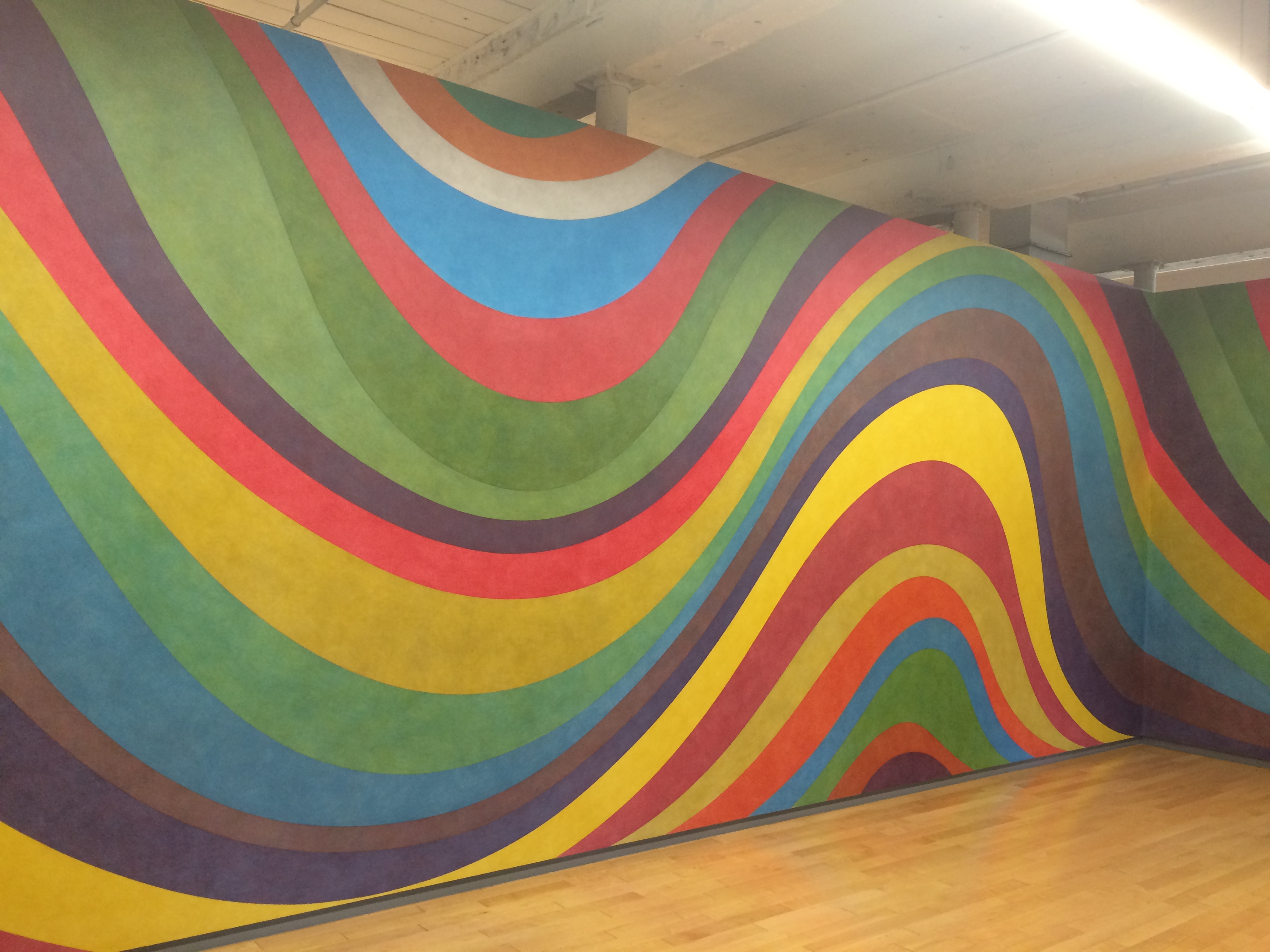
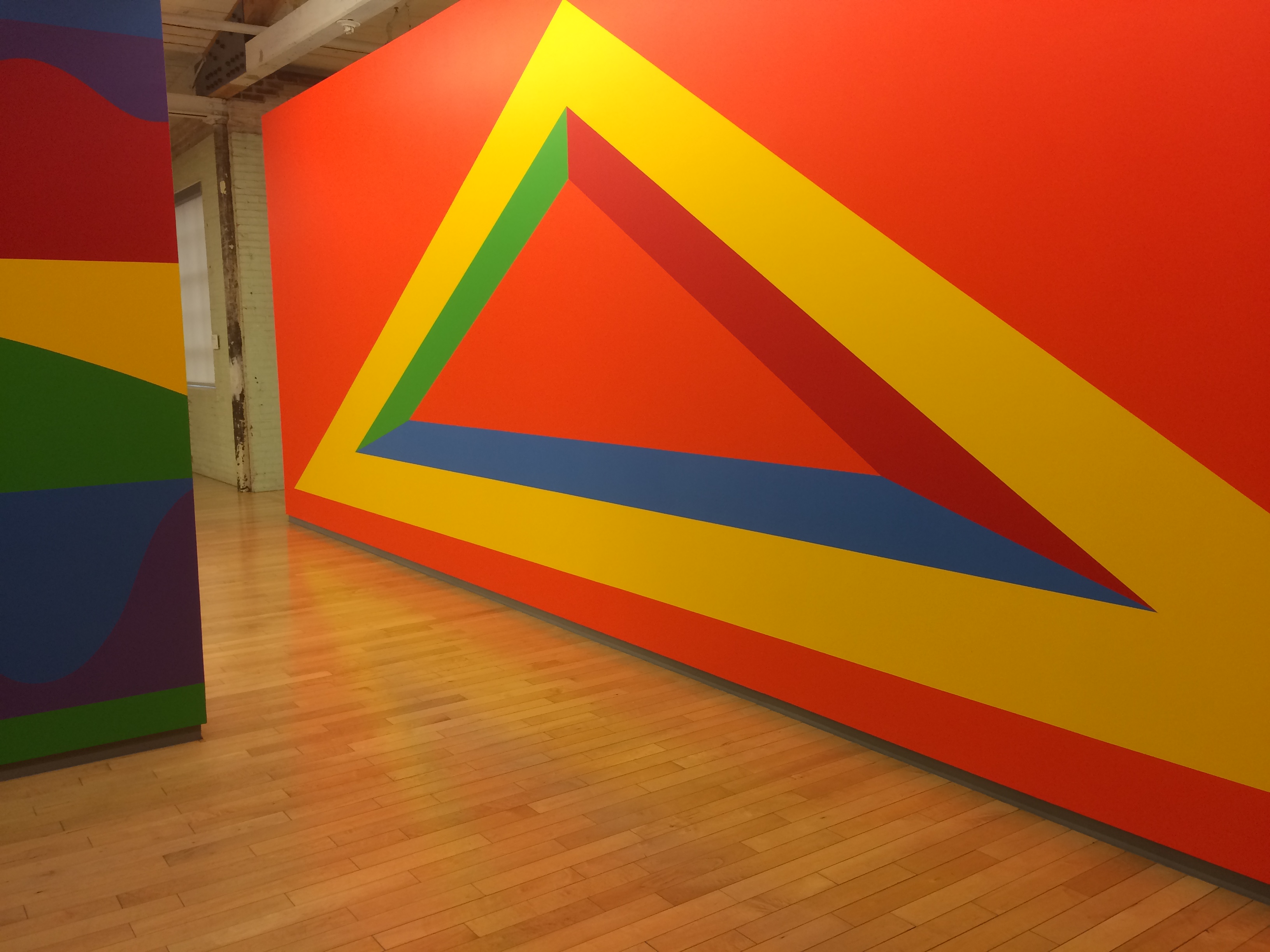
Sol Lewitt Wall Drawing - Lewitt's instructions for _wall drawing #1187_—made late in his career—call for layers of graphite scribbles that build six densities of gray bands, which take on a temporal, undulating quality. “all combinations of two lines crossing, placed at random, using arcs from corners and sides, straight, not straight and broken lines,” were the directions given to the crew of assistants that installed this piece. These occupy nearly an acre of specially. Sol lewitt chose to present only the fourth wall at mass moca. 8' x 37' (243.8 x 1127.8 cm). Conceived by the yale university art gallery, in collaboration with the artist before his. This installation, which fills a single large gallery, features one of lewitt’s celebrated examples from the museum’s collection, wall drawing #260 (1975). Web lewitt came to fame in the late 1960s with his wall drawings and structures (a term he preferred to sculptures) but was prolific in a wide range of media including drawing, printmaking, photography, painting, installation, and artist's books. Web the result of more than a decade of continued research in close collaboration with the estate of sol lewitt, the catalogue features comprehensive information for lewitt’s approximately 1,350 wall drawings, comprising approximately 3,500 installations at more than 1,200 venues. Cheyney thompson’s “displacement (41616, 5)” and “bellona through subtracted light [2].”. With lewitt’s wall drawings, what one purchases is a document prepared by the artist that describes how the works are to be executed. For wall drawing #370, he designed 10 simple geometric shapes at the center of each. These occupy nearly an acre of specially. Web small etching/black & white no.2. Web sol lewitt at the met—wall drawing #370 installation: Web on the wall: Web lewitt came to fame in the late 1960s with his wall drawings and structures (a term he preferred to sculptures) but was prolific in a wide range of media including drawing, printmaking, photography, painting, installation, and artist's books. Lewitt thought a lot about the shapes and colors that he wanted to use when planning his art. Web sol lewitt's 1982 wall drawing #370: Web sol lewitt did many wall drawings during his career. Web wall drawing #122 (1972) this piece was first installed at the massachusetts institute of technology in cambridge. Web on the wall: Web sol lewitt at the met—wall drawing #370 installation: Web the result of more than a decade of continued research in close collaboration with the estate of sol lewitt, the catalogue features comprehensive information for lewitt’s approximately 1,350. Web the result of more than a decade of continued research in close collaboration with the estate of sol lewitt, the catalogue features comprehensive information for lewitt’s approximately 1,350 wall drawings, comprising approximately 3,500 installations at more than 1,200 venues. For lewitt drawing represented a basic structural unit in all art, where the line was also the most basic unit. “all combinations of two lines crossing, placed at random, using arcs from corners and sides, straight, not straight and broken lines,” were the directions given to the crew of assistants that installed this piece. Produced and directed by kate farrell. For wall drawing #370, he designed 10 simple geometric shapes at the center of each. Sol lewitt chose to present. Web wall drawing #122 (1972) this piece was first installed at the massachusetts institute of technology in cambridge. Produced and directed by kate farrell. With a glowing blue rectangle by james turrell and wall drawings by sol lewitt. Cheyney thompson’s “displacement (41616, 5)” and “bellona through subtracted light [2].”. | the guggenheim museums and foundation. Produced and directed by kate farrell. Web small etching/black & white no.2. Web sol lewitt at the met—wall drawing #370 installation: With lewitt’s wall drawings, what one purchases is a document prepared by the artist that describes how the works are to be executed. Web a landmark collaboration of mass moca, yale university art gallery, the williams college museum of. “all combinations of two lines crossing, placed at random, using arcs from corners and sides, straight, not straight and broken lines,” were the directions given to the crew of assistants that installed this piece. Web the resulting works reflect the duration of their own making, a slow and deliberate process. Web small etching/black & white no.2. Web the piece wall. | the guggenheim museums and foundation. Web small etching/black & white no.2. Sol lewitt chose to present only the fourth wall at mass moca. With a glowing blue rectangle by james turrell and wall drawings by sol lewitt. Lewitt's instructions for _wall drawing #1187_—made late in his career—call for layers of graphite scribbles that build six densities of gray bands,. Web wall drawing #122 (1972) this piece was first installed at the massachusetts institute of technology in cambridge. With lewitt’s wall drawings, what one purchases is a document prepared by the artist that describes how the works are to be executed. Web lewitt came to fame in the late 1960s with his wall drawings and structures (a term he preferred. For lewitt drawing represented a basic structural unit in all art, where the line was also the most basic unit of. With a glowing blue rectangle by james turrell and wall drawings by sol lewitt. Web lewitt came to fame in the late 1960s with his wall drawings and structures (a term he preferred to sculptures) but was prolific in. With a glowing blue rectangle by james turrell and wall drawings by sol lewitt. This installation, which fills a single large gallery, features one of lewitt’s celebrated examples from the museum’s collection, wall drawing #260 (1975). 8' x 37' (243.8 x 1127.8 cm). Web the piece wall drawing #47, designed for the dwan gallery in new york in 1969 and. For wall drawing #370, he designed 10 simple geometric shapes at the center of each. Web lewitt came to fame in the late 1960s with his wall drawings and structures (a term he preferred to sculptures) but was prolific in a wide range of media including drawing, printmaking, photography, painting, installation, and artist's books. Web lewitt came to fame in the late 1960s with his wall drawings and structures (a term he preferred to sculptures) but was prolific in a wide range of media including drawing, printmaking, photography, painting, installation, and artist's books. Web sol lewitt did many wall drawings during his career. 8' x 37' (243.8 x 1127.8 cm). Now that he is no longer alive, other people have to follow his instructions to “install” his works. © 2024 sol lewitt / artists rights society (ars), new york. Cheyney thompson’s “displacement (41616, 5)” and “bellona through subtracted light [2].”. Lewitt thought a lot about the shapes and colors that he wanted to use when planning his art. Web on the wall: Web wall drawing #122 (1972) this piece was first installed at the massachusetts institute of technology in cambridge. Sol lewitt chose to present only the fourth wall at mass moca. With lewitt’s wall drawings, what one purchases is a document prepared by the artist that describes how the works are to be executed. Web a landmark collaboration of mass moca, yale university art gallery, the williams college museum of art, and the sol lewitt estate, over 60 artists and art st. Produced and directed by kate farrell. For lewitt drawing represented a basic structural unit in all art, where the line was also the most basic unit of.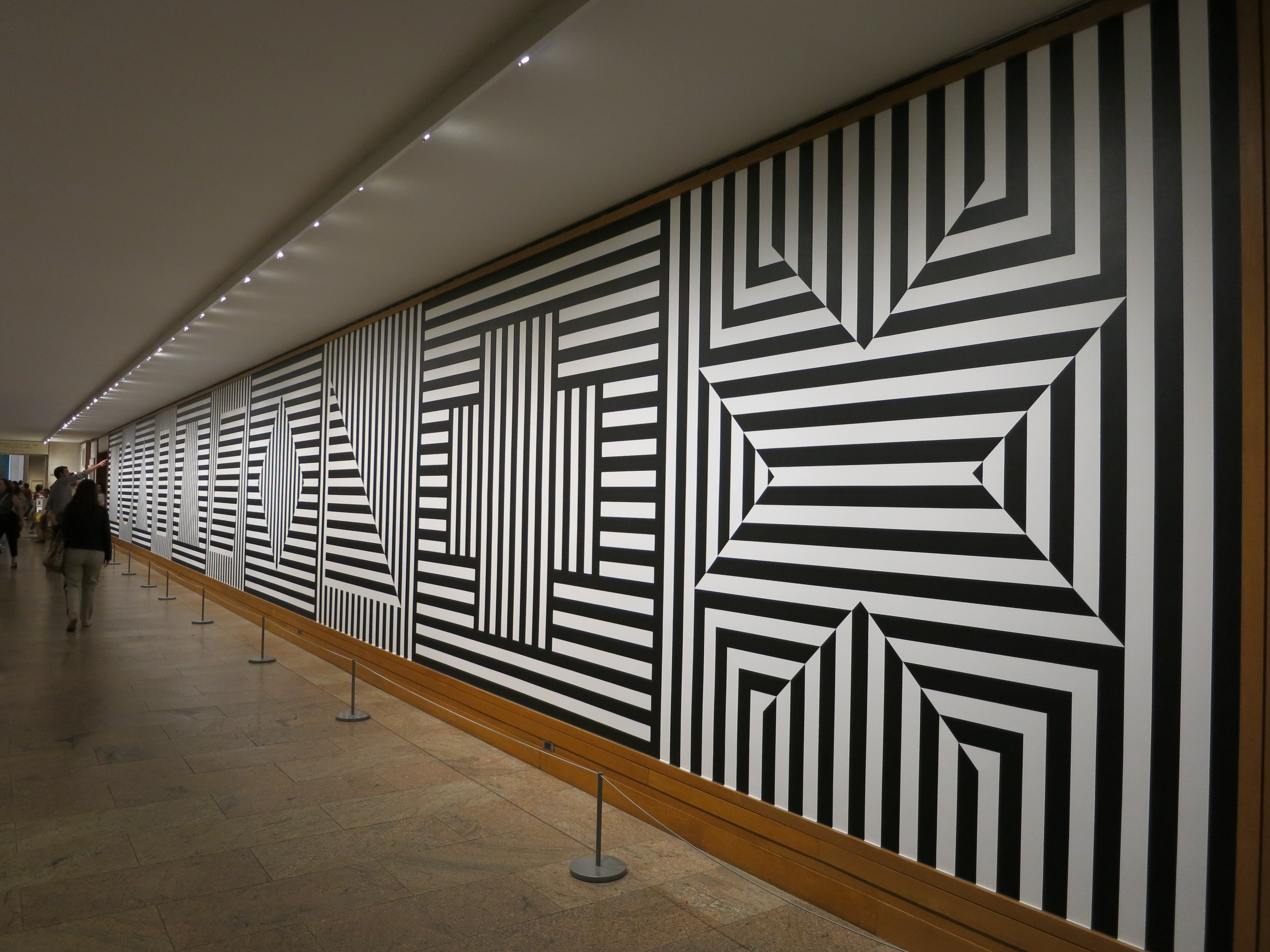
Why are Sol LeWitt’s wall drawings so influential?
Why are Sol LeWitt’s wall drawings so influential? Public Delivery

ARTIST ROOMS Sol LeWitt, Wall Drawing 1136, 2004 National Galleries

Sol LeWitt's influential drawings on walls around the world Public

Why are Sol LeWitt’s wall drawings so influential?
Why are Sol LeWitt’s wall drawings so influential?
Why are Sol LeWitt’s wall drawings so influential?

Why are Sol LeWitt’s wall drawings so influential?
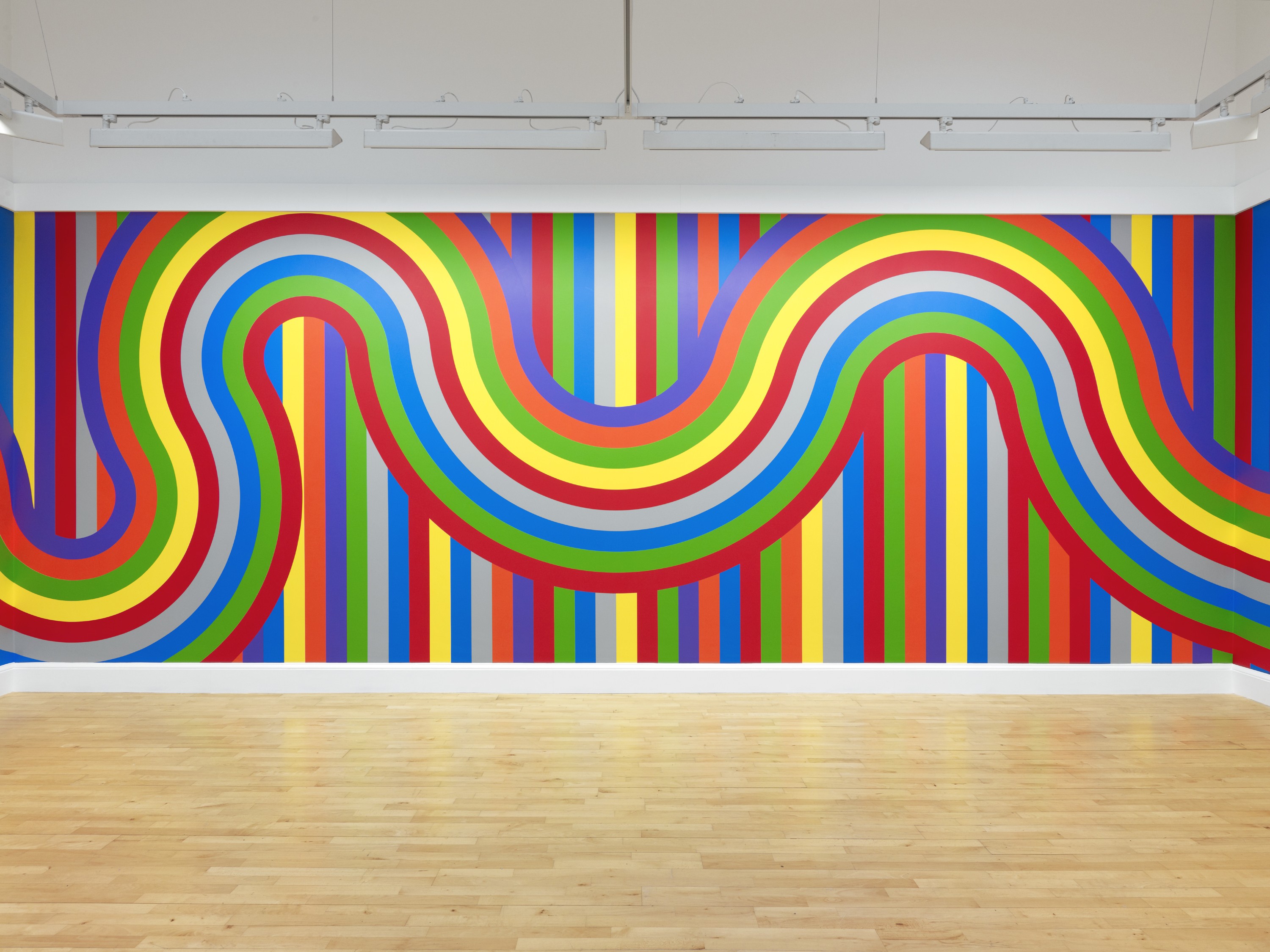
Why are Sol LeWitt’s wall drawings so influential?
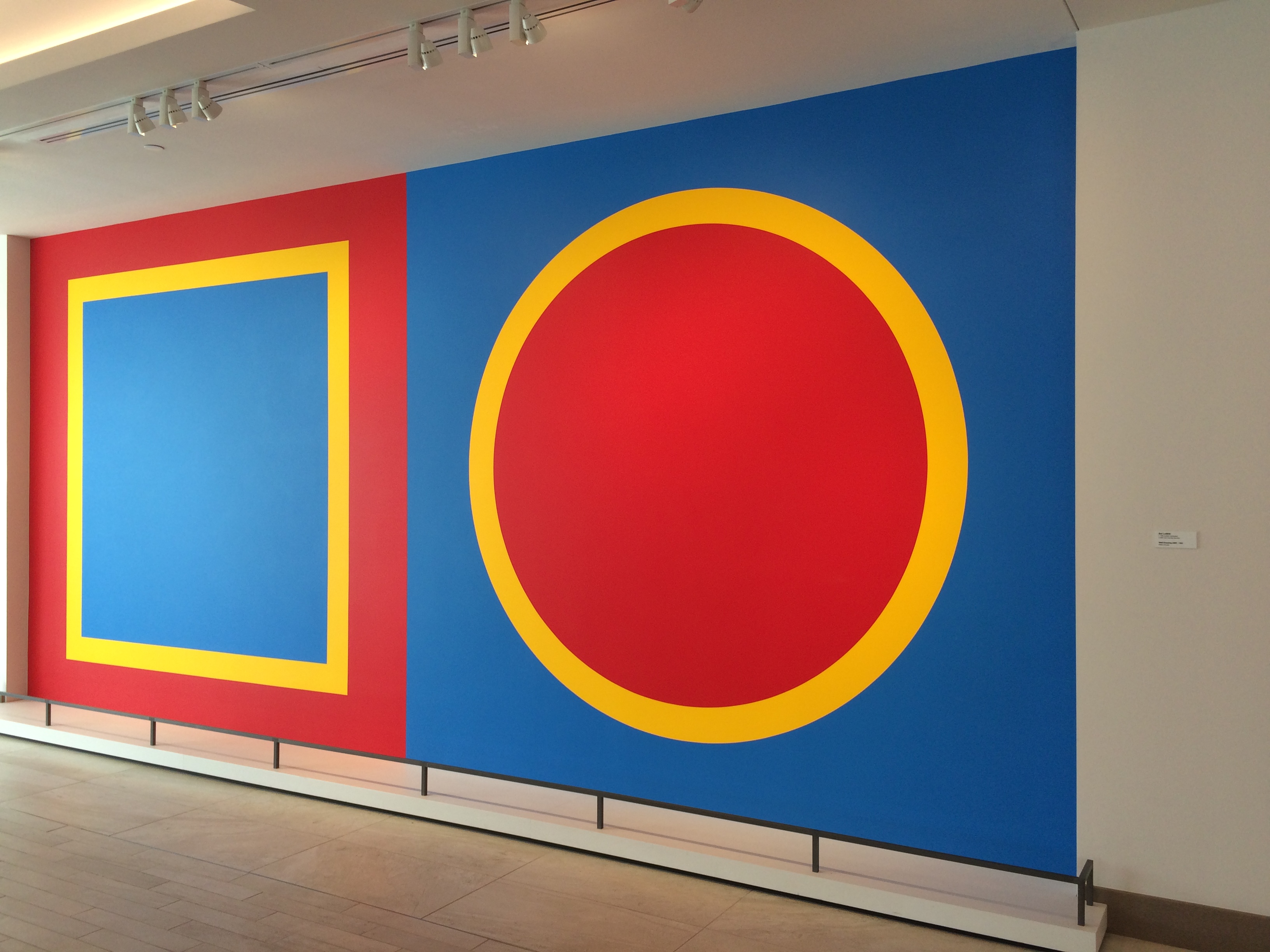
Sol LeWitt's influential drawings on walls around the world Public
“All Combinations Of Two Lines Crossing, Placed At Random, Using Arcs From Corners And Sides, Straight, Not Straight And Broken Lines,” Were The Directions Given To The Crew Of Assistants That Installed This Piece.
This Installation, Which Fills A Single Large Gallery, Features One Of Lewitt’s Celebrated Examples From The Museum’s Collection, Wall Drawing #260 (1975).
With A Glowing Blue Rectangle By James Turrell And Wall Drawings By Sol Lewitt.
Web The Piece Wall Drawing #47, Designed For The Dwan Gallery In New York In 1969 And Executed In June 1970, Is One Of The Most Emblematic Examples.
Related Post: